
How Often Does a Septic Tank Need Cleaning?
The 3 to 5 year window isn't a guess. It's driven by tank size and household size working against each other. A small tank serving a full house fills faster. A big tank serving two people can stretch longer between visits. If you're not sure which end of that range applies to you, septic pumping service in Jupiter can check tank levels and tell you where you stand instead of leaving it to a calendar guess. Waiting too long lets solids build past the point a routine pump-out can handle cleanly, and that's when Jupiter homeowners start calling about slow drains or wet spots in the yard. If your household changed size recently, added a garbage disposal, or you've noticed slower drains, treat those as signals to move up your schedule, and the porta potty rental checklist is a useful reference if you're coordinating any temporary sanitation around the work. For the actual mechanics of what happens during a visit, see septic tank cleaning. Costs vary by tank condition and access, and septic tank pumping cost breaks down what drives the price up or down for a Jupiter property.
What Are the Warning Signs I Waited Too Long?
Slow drains, gurgling pipes, and standing water near the drain field are the big three. Sewage odor near the tank lid is another, similar to the checks covered in how do porta potties work for temporary units on the same property. None of these show up the day the tank fills. They show up after solids have already started migrating into the drain field, which is a more expensive problem than a pump-out. Septic tank warning signs covers the full list in more detail. If you're seeing any of this in Jupiter right now, don't wait for the next scheduled visit. Call for emergency septic service instead. A backup on a weekend is worse than a scheduled pump-out any day of the week, and emergency response usually costs more than routine maintenance because someone has to drop what they're doing. If you run a restaurant or commercial kitchen, your grease interceptor works on a different rule entirely. It gets pumped once fats, oils, grease and solids reach 25 percent of the liquid depth, not on a fixed calendar, and grease trap pumping explains how that's measured.

Can I Extend the Time Between Pump-Outs?
Yes, within limits. Watching what goes down the drain, spacing out laundry loads, and keeping grease and wipes out of the system all help. But there's a ceiling, much like the fixed capacity discussed on dumpster weight limits for a roll-off during the same renovation. Tank size and household size set the real boundary, and no amount of careful habits changes the physics of a 1,000-gallon tank serving five people. Jupiter's sandy soil drains well, which helps drain field performance, but it doesn't change how fast solids accumulate inside the tank itself, and if the renovation also needs debris hauled off site, roll-off dumpster rental covers that separately. If you're renovating and temporarily displacing the household, a holding tank rental can bridge the gap without stressing the existing system during construction. Homes under renovation in Jupiter also lean on home renovation porta potty setups to keep contractor traffic off the household plumbing entirely, which indirectly protects the septic system from added load during a build.
Is There a Difference Between Residential and Commercial Schedules?
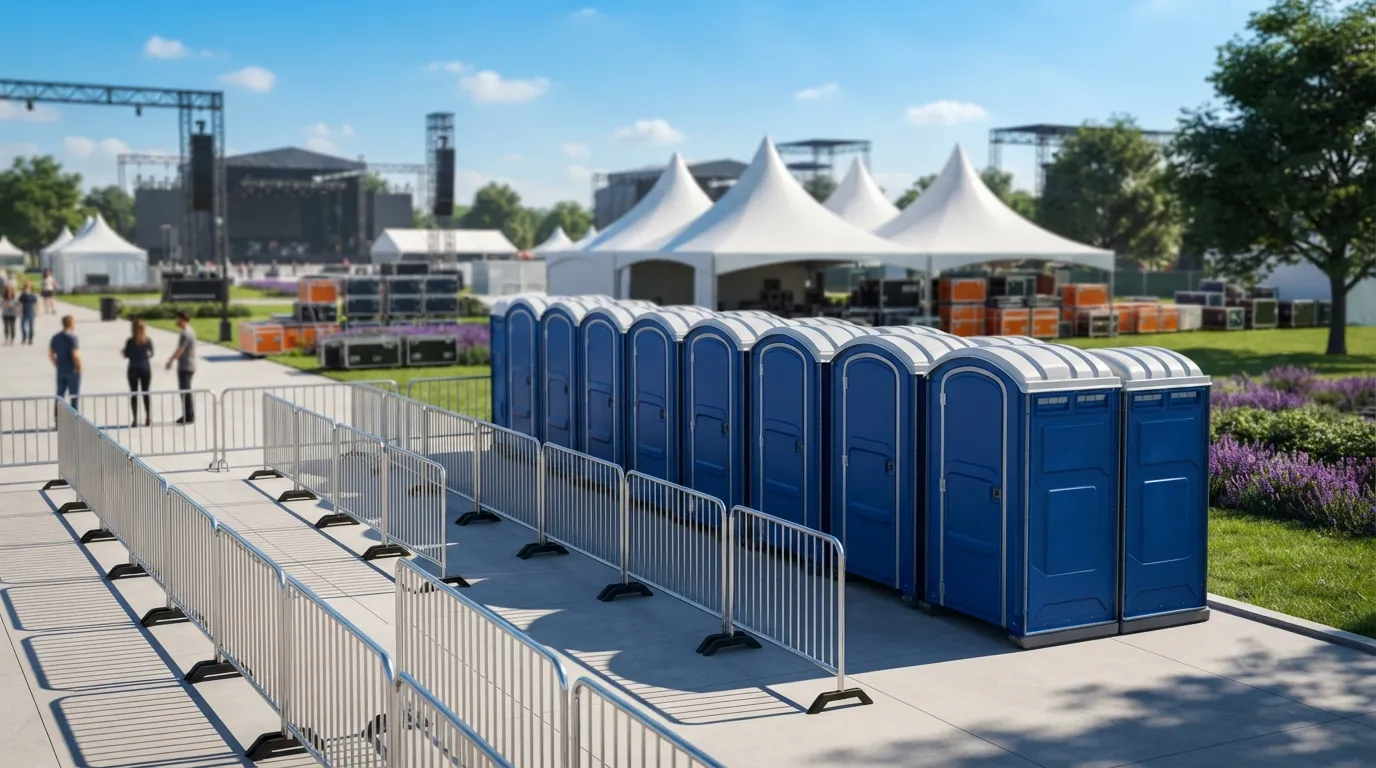
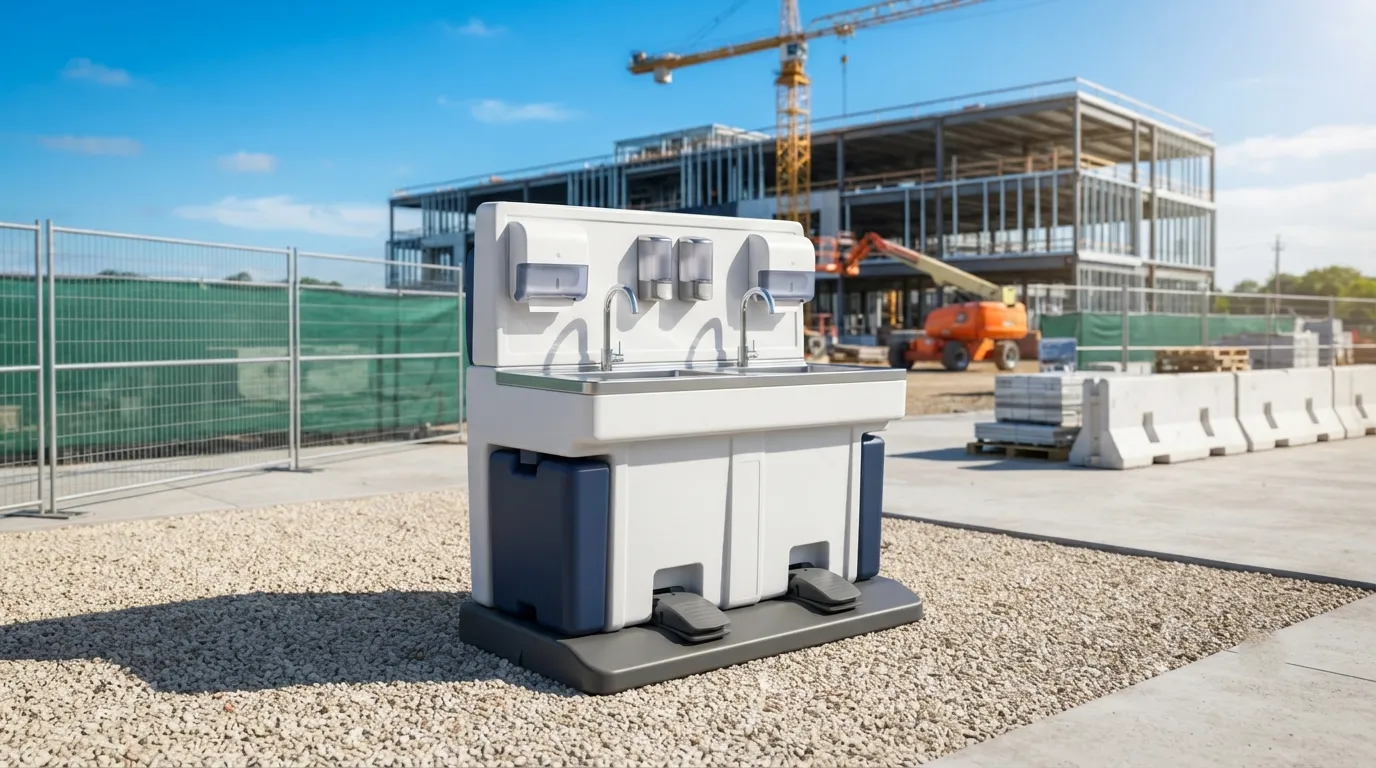
Yes, and it's a big one. Residential tanks run on the 3 to 5 year cycle tied to household size. Commercial and construction settings run on different rules entirely, often driven by worker headcount rather than tank capacity. OSHA 1926.51(c) sets toilet ratios for construction sites: one facility for 20 workers or fewer, scaling up from there as crew size grows. That's a servicing frequency question, not a septic pumping question, but the two get confused often enough to mention here, and how many porta potties do I need walks through the headcount math for a crew. If you're managing a job site in Jupiter rather than a home, construction site services and OSHA portable toilet requirements are the right references, not this page. For agricultural operations, OSHA 1928.110 sets a similar standard: one facility per 20 hand-labor employees, within a quarter mile walk, which matters for farm and agricultural restrooms more than it matters for a residential tank in Jupiter, and crews needing handwashing alongside toilets on a work site should look at handwashing station rental.
Comparison: Residential Septic vs. Commercial Grease Interceptor
| System | Trigger for service | Typical interval |
|---|---|---|
| Residential septic tank | Tank size vs. household size | Every 3 to 5 years |
| Grease interceptor | FOG reaches 25% of liquid depth | Varies by kitchen volume |
| Holding tank | Fill level during active use | As needed, often weekly |
Homeowners near North Palm Beach, 11.8 miles southeast, and Riviera Beach, 13.6 miles south, run into the same soil conditions Jupiter does, so the pumping interval doesn't shift much across that stretch of the coast. Jupiter Porta Pros handles both septic pumping and portable sanitation, so if a renovation project needs a temporary toilet while the septic system is serviced, that's portable toilet rental territory, not a separate call, and a property owner comparing options can check the standard porta potty rental page or the portable restroom rental page for specifics.
How do I know my tank size?
Check your permit records or ask Jupiter Porta Pros to measure it during a visit. Tank size combined with household size is what actually sets your interval, not a fixed number of years. Guessing wrong in either direction either wastes money on early pump-outs or risks a backup from waiting too long.
What happens if I never pump my tank?
Solids build up until they overflow into the drain field, clogging it. A clogged drain field is far more expensive to repair than a septic tank, sometimes requiring full replacement. Regular pumping is the cheap side of this equation compared to letting it fail.
Does a garbage disposal change my pumping schedule?
Yes. Disposals add solid waste volume to the tank, which fills it faster than a household without one. If you've added a disposal recently, move up your next pump-out date rather than waiting for the full interval to pass.
Can I pump the tank myself?
No. Septic tanks hold hazardous gases and require specialized pumping equipment to empty safely and completely. Professional service also includes an inspection for cracks or drain field issues you would not otherwise catch, which matters more than the pump-out itself.
Is there a way to check tank levels without pumping?
Yes, a technician can measure sludge and scum layers through the access port without a full pump-out. This tells you how close you are to needing service. It's a useful step if you are unsure whether this year is the year, especially on an older Jupiter property with no service records.
Next step
Get a delivery date
Tell us the address, the dates and the headcount. We size the order and confirm the route.